You have no items in your shopping cart.




"Other's Talk... We Stock"





H.D. Chasen Company

Next Day Delivery
Orders placed by 3:30pm eastern time are shipped the same day. Choose UPS Next Day Air at checkout to get your order next morning!
Large Inventory
We have built up a substantial inventory of items to meet the diverse needs of our customers.
Machine Shop
From CNC machining to custom fabrication, we offer a comprehensive range of services to ensure your job gets done.
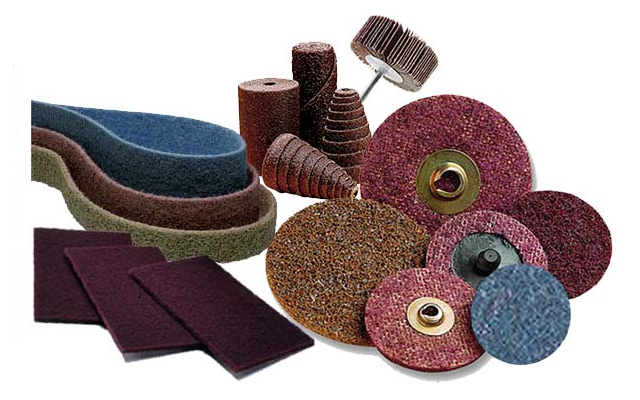
Abrasive Sanding Belts
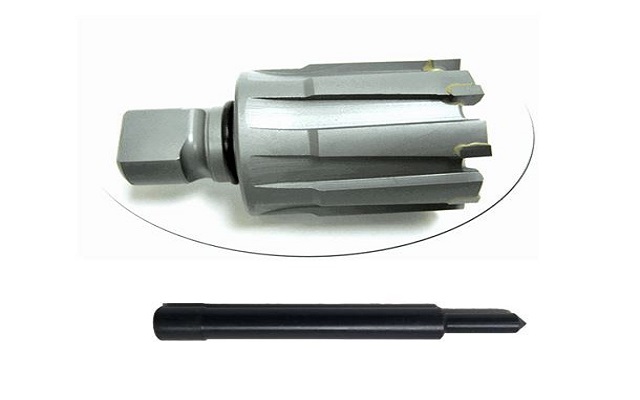
Annular Cutters
.png)
Annular Cutter Holders
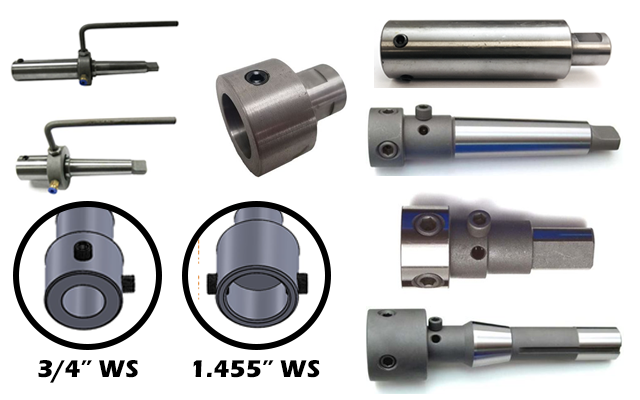
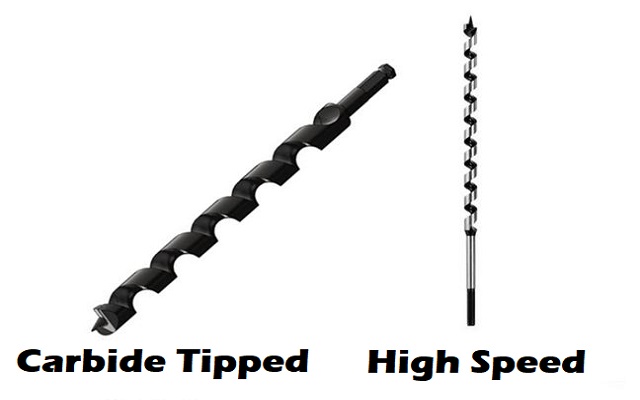
Auger Bits
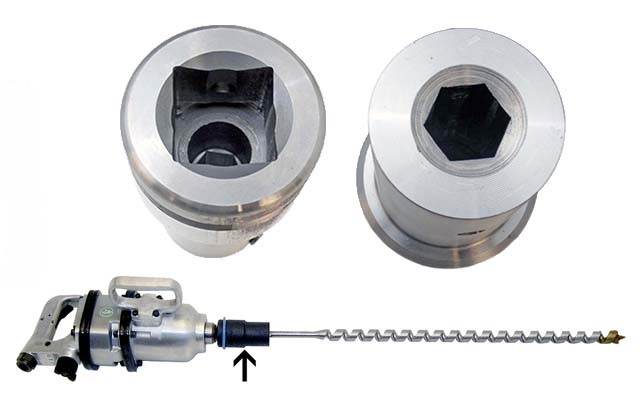
Auger Bit Adapters
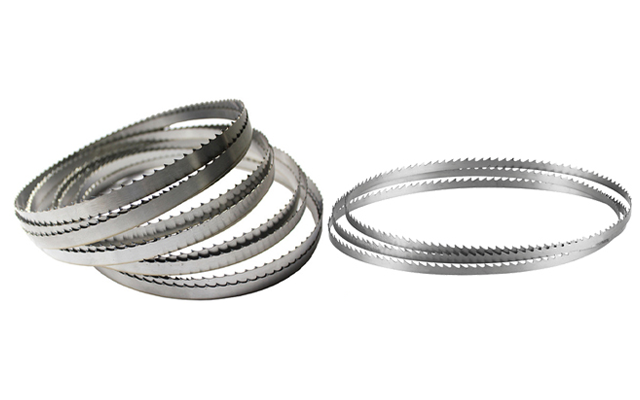
Bandsaw Blades
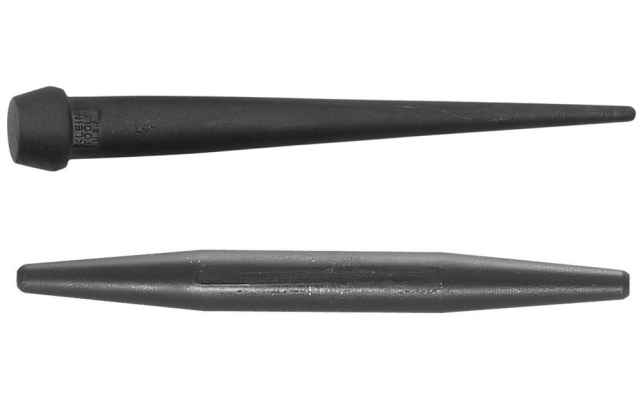
Barrel Pins
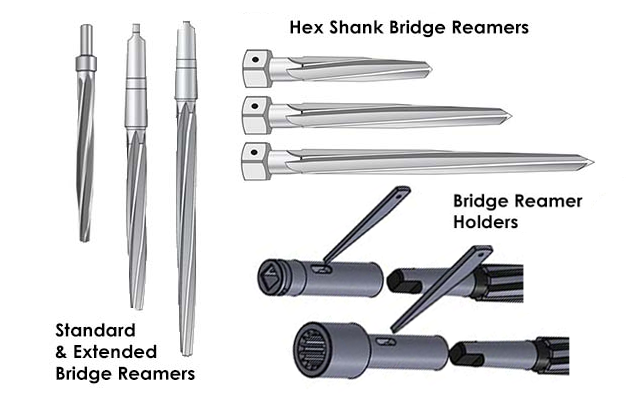
Bridge Reamers & Holders
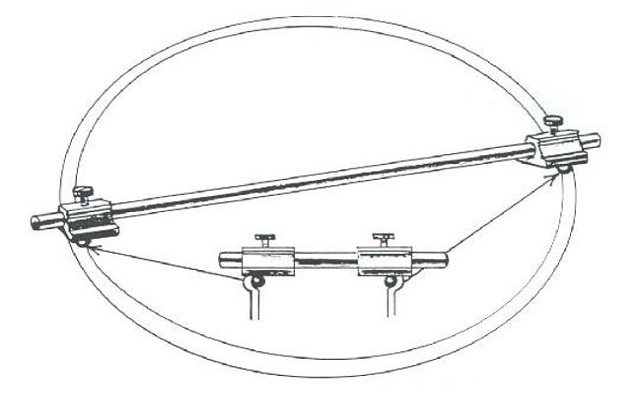
Cameron Ball Gages
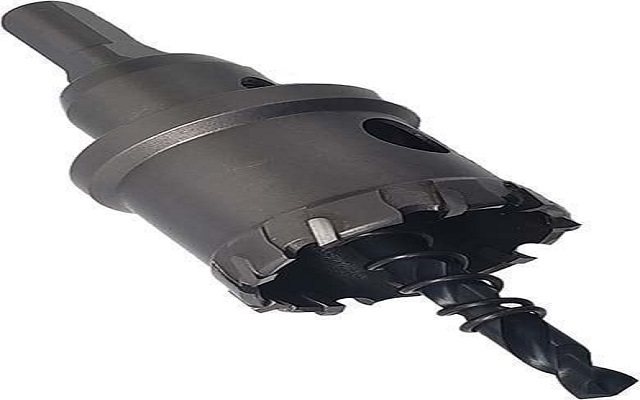
Carbide Tipped Hole Cutters
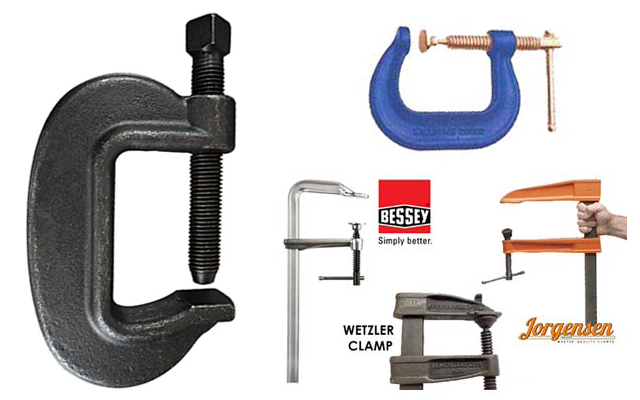
Clamps
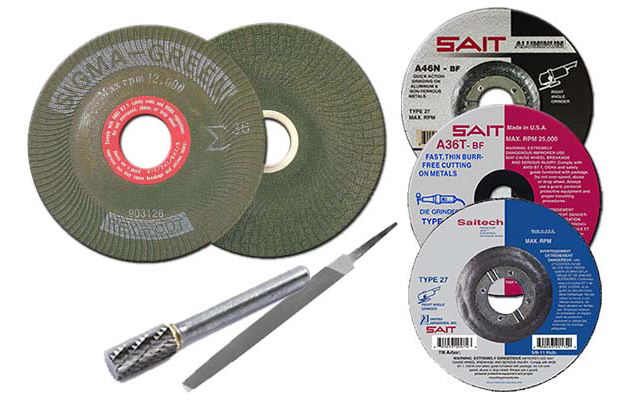
Cut-Off Wheels
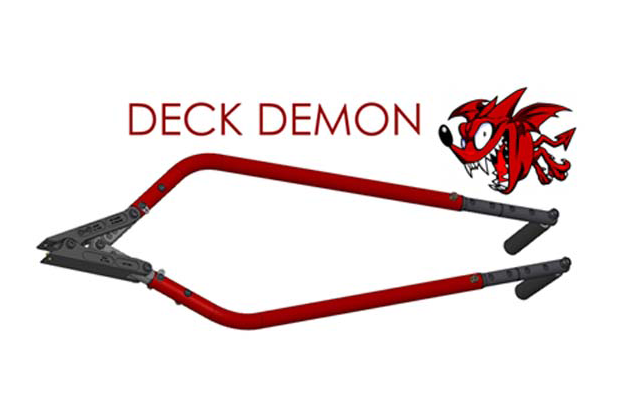
Deck Crimping Tool
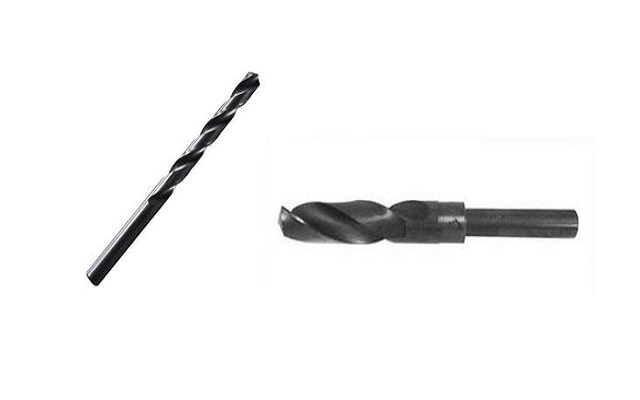
Drill Bits
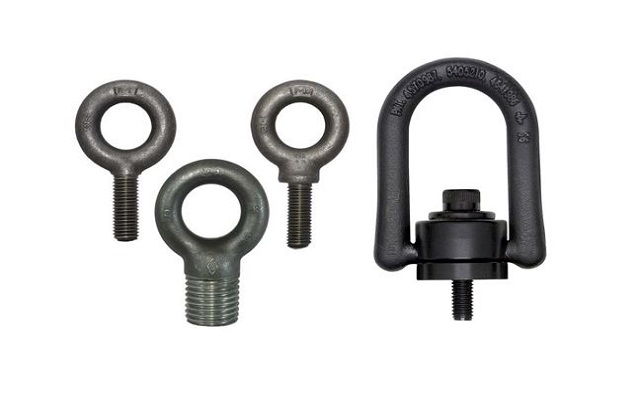
Eye Bolts & Hoist Rings
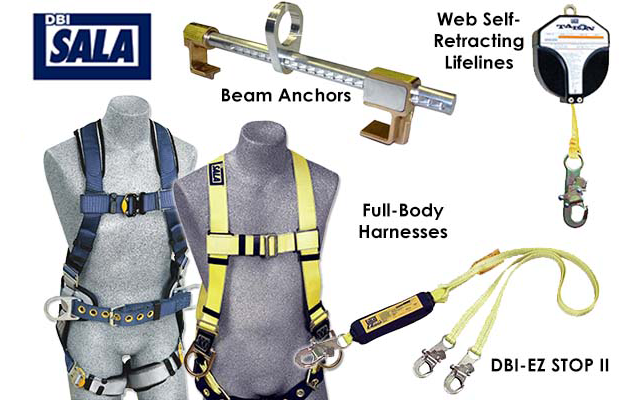
Fall Protection Equipment
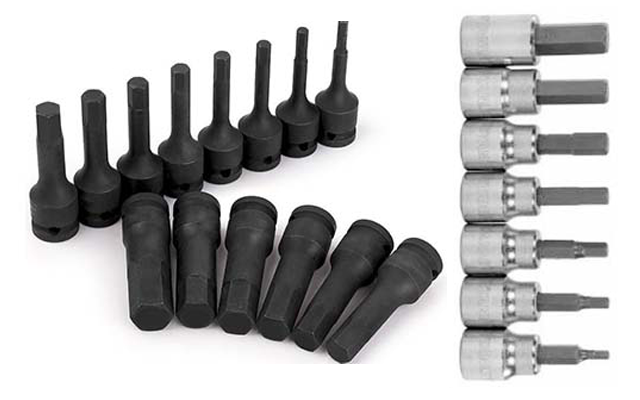
Hex Bit Sockets (Fractional)
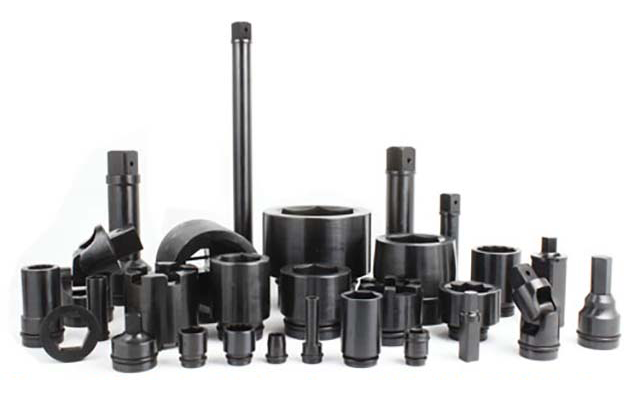
Impact Sockets (Fractional)
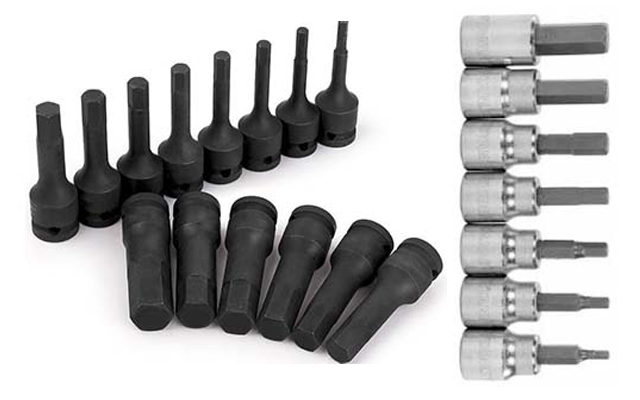
Hex Bit Sockets (Metric)
Impact Sockets (Metric)
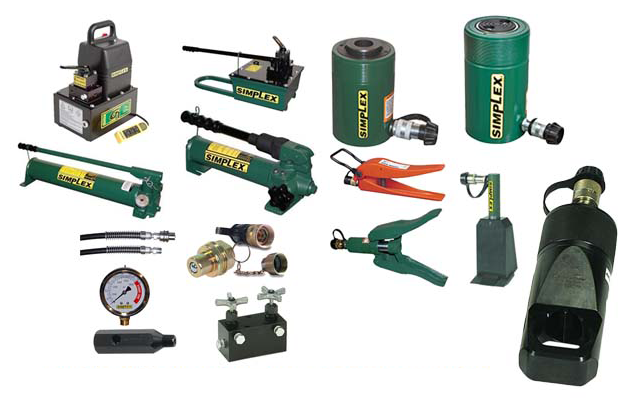
Hydraulic Equipment
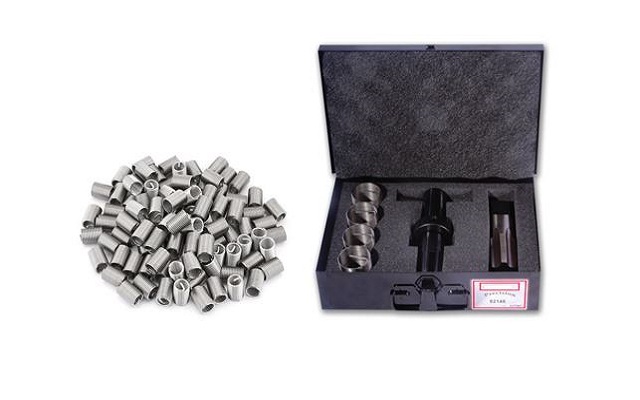
Inserts & Thread Repair Kits
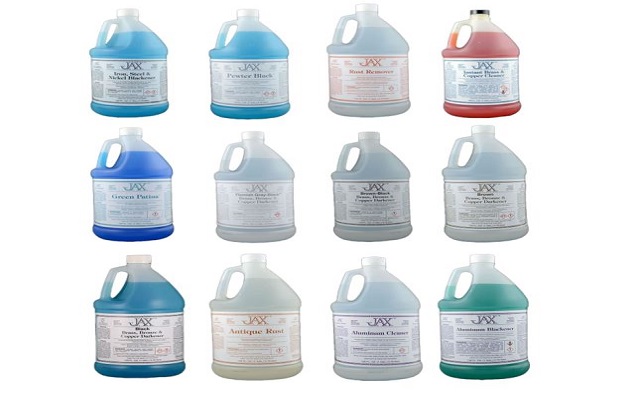
Jax Patina & Colorants
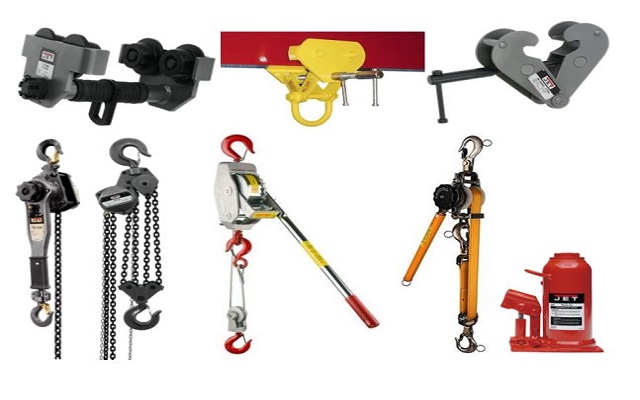
Lifting Equipment
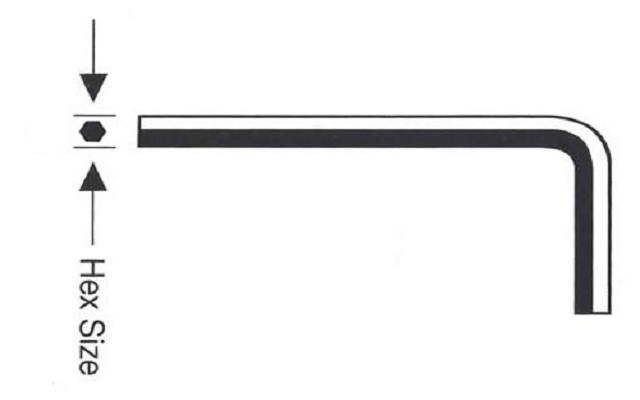
Long Arm Allen Wrenches
Magnetic Base Drills
.png)
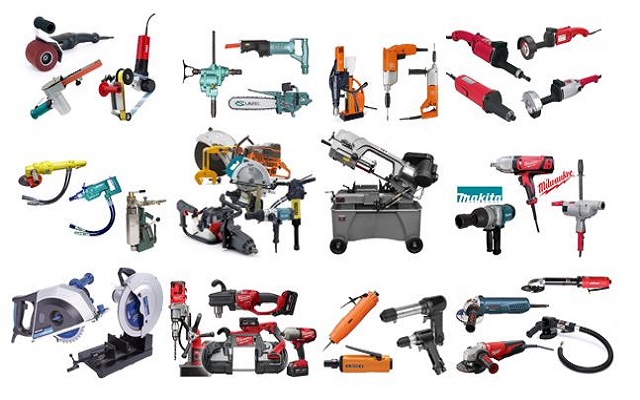
Power Tools
Railroad Track Bits
Rivet Busters
.png)
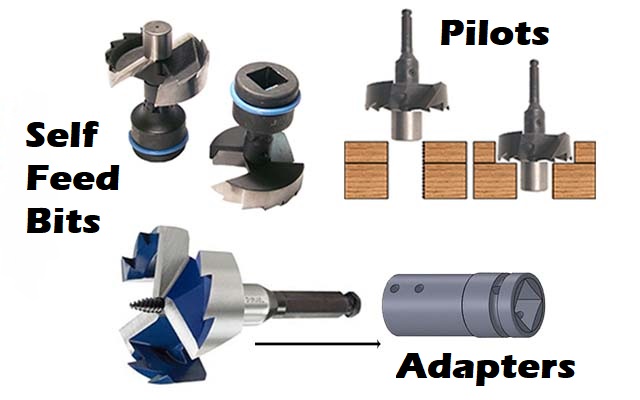
Self Feed Bits
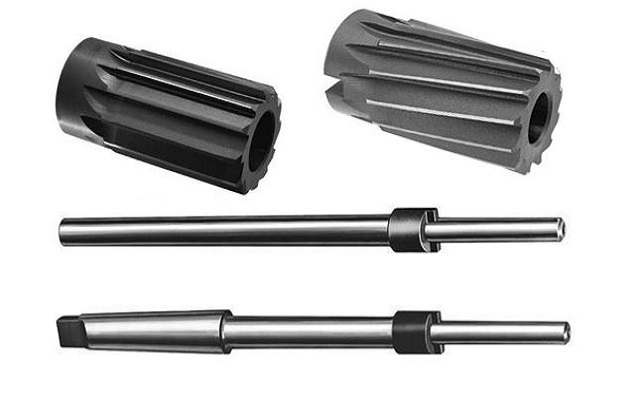
Shell Reamers & Arbors
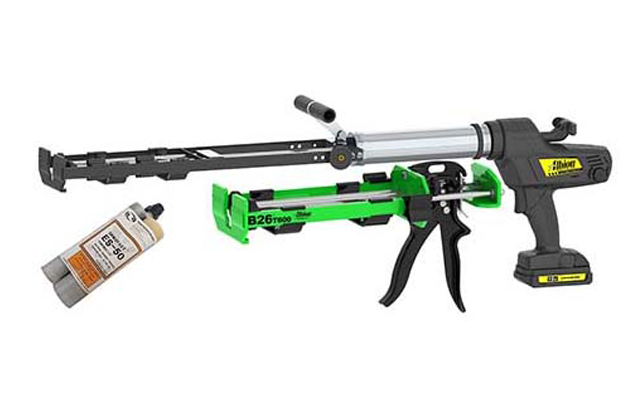
Spikefast & Gun
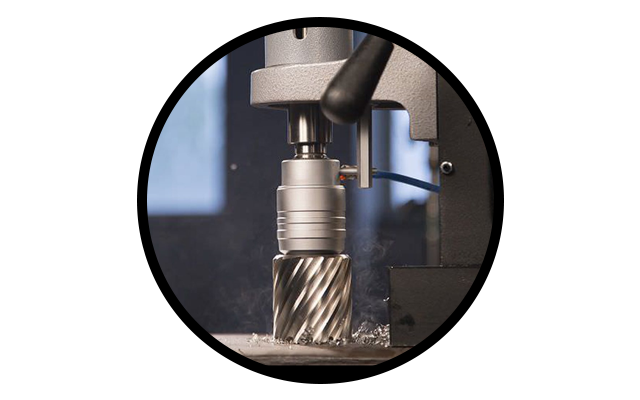
Stud Removal
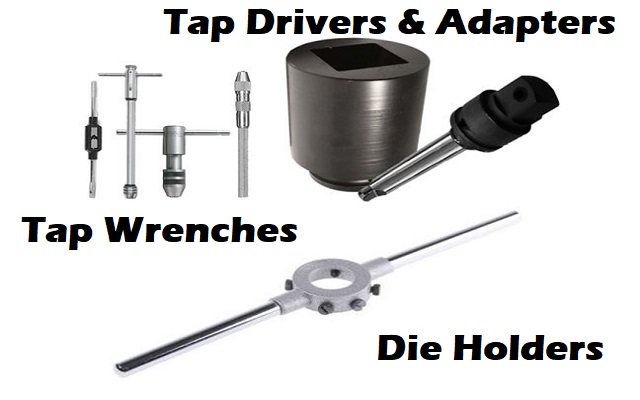
Tap Drivers & Adapters
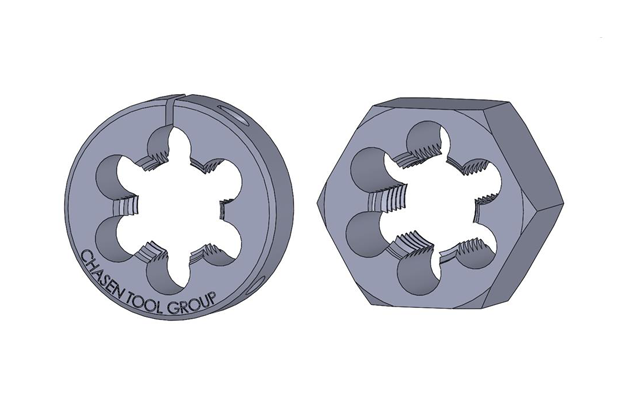
Thread Dies (Fractional)
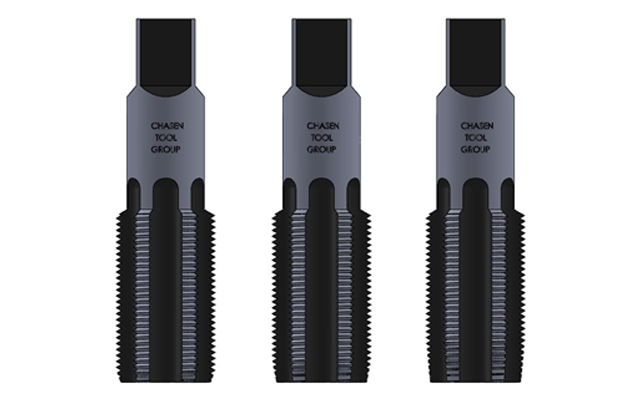
Thread Taps (Fractional)
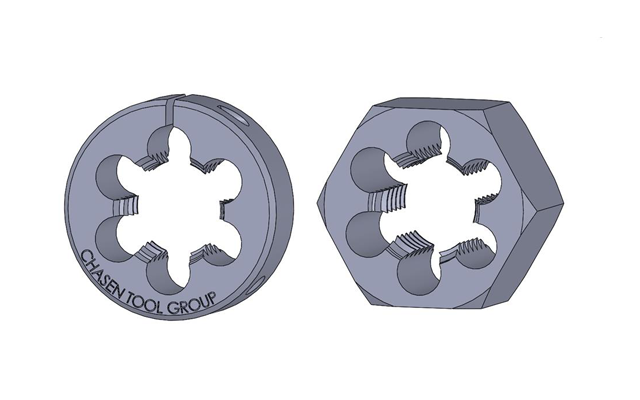
Thread Dies (Metric)
Thread Taps (Metric)
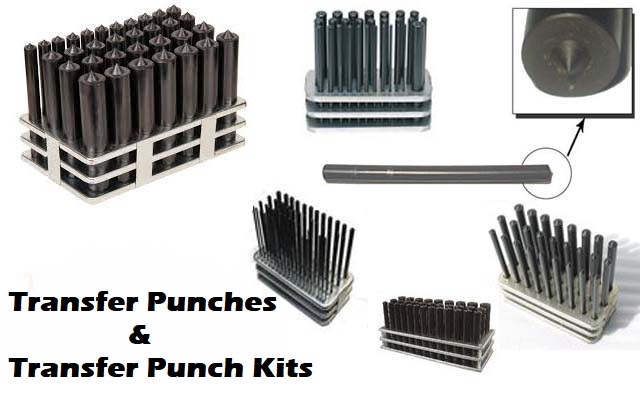
Transfer Punches
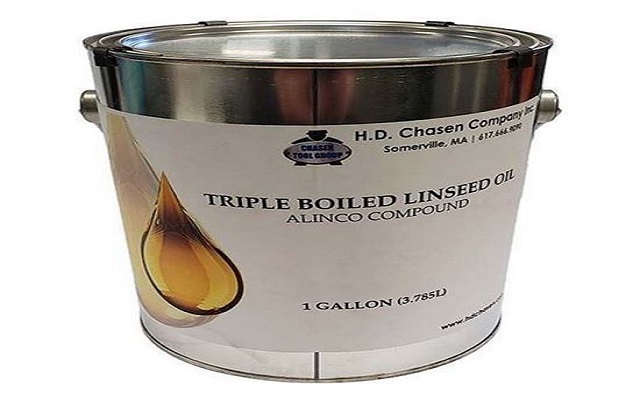
Triple Boiled Linseed Oil
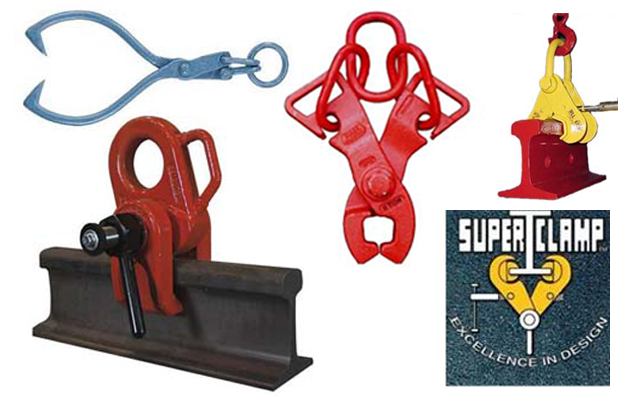
Tongs, Pullers & Clamps
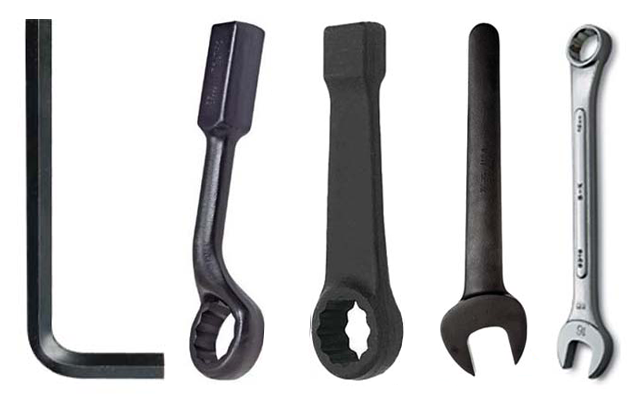
Wrenches












Henry’s Machine Shop
H.D. Chasen Co. has an onsite Machine Shop to help create options and solutions for our customers who have special fabrication problems.